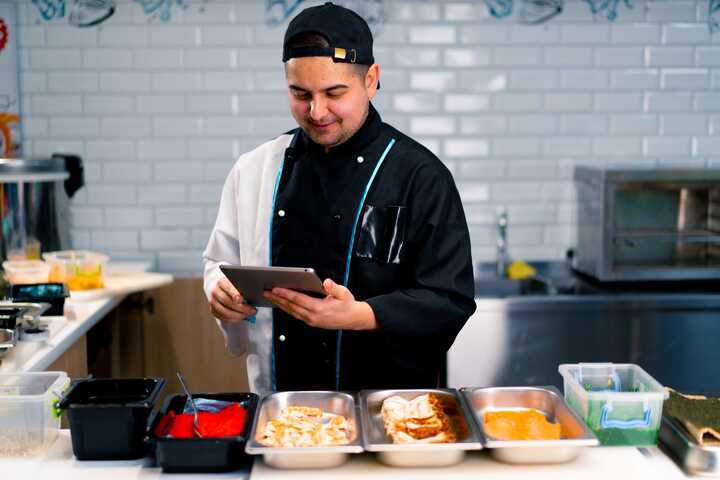
The modern kitchen is evolving rapidly, and artificial intelligence is at the heart of this transformation. Far from replacing the artistry of cooking, AI is becoming an invaluable tool that empowers chefs to focus on creativity while technology handles the operational complexities.
The Chef's New Digital Sous Chef
Beyond Order Taking
While AI voice agents excel at handling customer calls and orders, the impact of AI in restaurants extends much deeper into kitchen operations:
Inventory Management: AI predicts ingredient needs based on historical data and upcoming reservationsWaste Reduction: Smart systems track food usage patterns and suggest menu adjustmentsKitchen Timing: AI coordinates order flow to optimize cooking sequencesQuality Control: Consistent preparation through AI-guided processesHow AI Transforms Daily Kitchen Operations
Morning Prep Revolution
Before AI, morning prep was based on gut feelings and rough estimates. Now:
Predictive Analytics: AI analyzes weather, local events, and historical data to forecast coversSmart Ordering: Automatic inventory alerts and supplier integrationPrep Lists: Generated based on expected demand, not guessworkStaff Scheduling: Optimized based on predicted volumeService Excellence
During service, AI provides:
Real-Time Order Management: Kitchen display systems prioritize and sequence ordersTiming Optimization: Courses coordinated for perfect table timingCommunication: Front-of-house and back-of-house stay synchronizedQuality Alerts: Flags unusual patterns or potential issuesPost-Service Insights
After service, AI delivers:
Performance Analytics: What sold, what didn't, profit marginsCustomer Feedback Analysis: Sentiment tracking from reviews and commentsOperational Reports: Labor efficiency, food costs, timing metricsImprovement Suggestions: Data-driven recommendationsThe Human Element Remains Central
What AI Cannot Replace
Despite technological advances, certain aspects of cooking remain uniquely human:
Creativity: Developing new dishes, flavor combinations, and presentationsIntuition: That instinct honed over years of experiencePalate: The ability to taste and adjust for perfectionPassion: The love of food that drives culinary excellenceLeadership: Inspiring and mentoring kitchen teamsThe Perfect Partnership
The most successful restaurants find balance:
AI Handles:
Repetitive administrative tasksData analysis and reportingCustomer communication (phones, reservations)Inventory tracking and orderingScheduling optimizationChefs Focus On:
Menu development and innovationFood quality and presentationTeam training and cultureCustomer relationshipsThe art of hospitalityReal Kitchen Success Stories
Fine Dining: Elevated Service
A Michelin-starred restaurant implemented AI phone systems and saw:
30% reduction in front-of-house interruptions during serviceZero missed reservations or booking errorsChef time saved: 2 hours daily previously spent on adminResult: More time for tableside experiences and menu refinementHigh-Volume Kitchen: Efficiency Gains
A busy pizzeria with 200+ daily orders experienced:
99% order accuracy (up from 92% with phone orders)Kitchen timing improved by 15%Staff stress reduced significantlyResult: Better food, happier team, more customersMulti-Location Chain: Consistency at Scale
A restaurant group with 8 locations achieved:
Standardized phone service across all locationsCentralized data for menu optimizationReduced training time for new staffResult: Brand consistency and operational excellenceImplementing AI in Your Kitchen
Start Smart
1. Identify Pain Points: Where does your team waste time on non-cooking tasks?
2. Prioritize Impact: Focus on changes that free up the most culinary time
3. Choose Wisely: Select AI tools designed for restaurant operations
4. Train Thoroughly: Ensure staff understands and embraces new systems
5. Measure Results: Track improvements in quality, efficiency, and satisfaction
Common Starting Points
Most kitchens begin their AI journey with:
Phone/Order Systems: Immediate impact, easy implementationInventory Management: Reduces waste, improves marginsScheduling: Optimizes labor costs and coverageAnalytics: Data-driven decision makingScaling Over Time
As comfort grows, expand to:
Predictive orderingDynamic pricingCustomer personalizationAdvanced analyticsThe Future Kitchen
What's Coming
The next wave of kitchen AI includes:
Voice-activated prep systems: "Start timer for risotto"Smart equipment integration: Ovens that communicate with order systemsAugmented reality plating guides: Consistency in presentationRobotic assistance: For repetitive tasks like chopping or stirringSustainability optimization: Minimizing environmental impactThe Chef's Role Evolves
Tomorrow's successful chefs will be:
Tech-savvy: Comfortable with AI tools and dataCreativity-focused: More time for innovationExperience-driven: Creating memorable momentsSustainability-minded: Using AI for eco-friendly operationsEmbracing Change Without Losing Soul
The Key Balance
The best restaurant technology enhances rather than replaces the human experience:
Efficiency enables hospitality: Less admin = more customer connectionData informs creativity: Insights guide, not dictate, menu decisionsAutomation preserves artistry: Machines handle tedium, chefs handle craftA Message to Chefs
AI isn't here to replace you—it's here to unleash you. By handling the operational burden that takes you away from your passion, AI lets you be more of a chef, not less.
The restaurants thriving today are those where technology and tradition work in harmony, where data and instinct combine, where efficiency serves hospitality.
Conclusion
The kitchen of the future isn't a robot-run facility with no human touch. It's a space where talented chefs, freed from administrative burden, can dedicate their full creative energy to the art of cooking and the joy of feeding people.
AI is the tool that makes this possible. The question isn't whether to embrace it, but how quickly you can start benefiting from it.
Ready to give your kitchen team superpowers? See how Ring to Kitchen AI can help